What Is an Electrical Inspection?
An electrical inspection is a systematic evaluation of your home's wiring, service panel, grounding system, outlets, and safety devices by a licensed electrician.[1] Unlike a general home inspection—where an inspector visually scans the panel and tests a few outlets—an electrical inspection involves opening panels, measuring voltage and amperage, testing ground fault protection, and documenting code compliance at a component level.[2]
You typically need one in three situations: when buying or selling a home, when experiencing recurring electrical problems (breakers tripping, flickering lights, burning smells), or when adding major load like an EV charger or pool equipment that requires proving your panel can handle it. In Arizona, ROC-licensed electricians (verify at roc.az.gov) perform these inspections, and their findings carry weight with lenders, insurers, and title companies in ways a home inspector's notes often don't.
The inspection itself takes 1–3 hours depending on home size and complexity. The electrician traces circuits, checks for proper bonding and grounding, measures load on each leg of your panel, tests GFCI and AFCI protection, inspects visible wiring for damage or outdated materials, and evaluates whether your smoke and CO detectors meet current code.
You get a written report listing hazards, code violations, and recommended repairs—some mandatory for safety or insurance, others optional upgrades.
What Does an Electrical Inspection Cost?
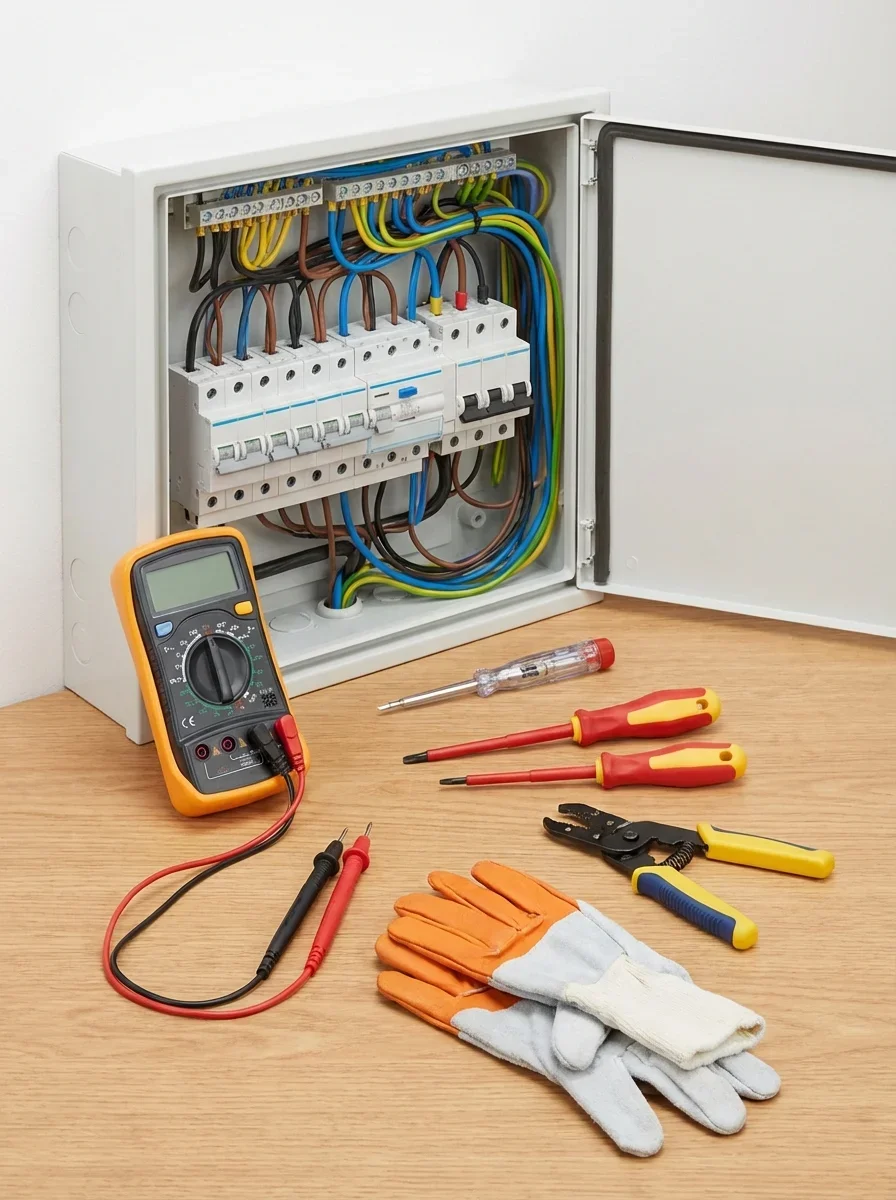
Most Arizona homeowners pay $200–$300 for a standard residential electrical inspection. That price covers a licensed electrician's time to evaluate a typical single-family home (1,500–2,500 square feet), open the main panel and any sub-panels, test outlets and circuits, and provide a written findings report.
Homes outside metro Phoenix sometimes include a $50–$75 travel fee if you're beyond the electrician's normal service area.
Cost by Home Size and Complexity
A 1,200-square-foot townhome built in 2010 with a clean 200-amp panel runs $150–$200. A 3,500-square-foot house from 1982 with aluminum wiring, a 100-amp service, multiple sub-panels, and a history of DIY additions? Plan for $400–$500 and potentially a second visit to trace buried circuits or check work that wasn't permitted.[2]
Older homes drive costs up because electricians spend extra time identifying grandfathered installations versus actual hazards. A 1975 block house might have cloth-wrapped wiring in the attic, ungrounded outlets, and a fuse box that's been "upgraded" with incorrect breakers. Sorting what's legally acceptable from what's dangerous takes experience and time.
Homes with pools, detached garages, or workshops add sub-panels and dedicated circuits that each need individual assessment.
Complexity also means access. If your panel is buried behind garage shelving or your attic crawl space is 18 inches tall in July, the electrician either charges more or declines the job. Arizona's 106°F summer temps make attic inspections genuinely hazardous—some electricians won't enter residential attics June through August without a premium, and you can't blame them.
| Inspection Type | Typical Cost | Timeline | Best For |
|---|---|---|---|
| Basic Safety Check | $150–$250 | 1–2 hours | General peace of mind, post-purchase verification |
| Standard Residential | $200–$300 | 2–3 hours | Typical resale homes, minor troubleshooting |
| Pre-Purchase/Sale | $250–$500 | 2–4 hours | Real estate transactions, lender requirements |
| Complex/Older Home | $400–$500+ | 3–5 hours | Pre-1985 homes, aluminum wiring, multiple sub-panels |
Pre-Purchase vs Safety Inspection Pricing
A pre-purchase inspection for real estate transactions costs $250–$500 because the stakes are higher and the report needs to satisfy lenders, insurers, and title companies. The electrician documents everything: wire gauges, panel capacity, grounding methods, GFCI coverage, smoke detector compliance, and whether past work was permitted.[4]
You're paying for thoroughness and a report format that survives escrow.
A general safety inspection runs $150–$250 and focuses on immediate hazards. The electrician checks your panel for overheating, tests outlets for proper grounding, verifies GFCI protection in wet areas, and flags anything actively dangerous. If you're not selling and just want to know you're safe after buying a resale home, this lighter version usually catches the urgent stuff without the full documentation process.
Some Arizona electricians offer free panel assessments if you're considering an upgrade—Parker & Sons and a few other large outfits use these as lead generators. You get a ballpark idea of your panel's condition and capacity, but this isn't the full inspection a lender requires. It's enough to know if you need to budget $2,500 for a panel replacement before listing your house.
What Do Electricians Check During an Inspection?
The electrician starts at your service panel, checking for proper sizing (100-amp panels are often undersized for modern homes), correct breaker ratings, signs of overheating (discolored bus bars, melted insulation), and whether the panel itself is outdated or recalled. Federal Pacific and Zinsco panels—common in 1970s Arizona homes—fail to trip under fault conditions and create fire risk.
If you have one, expect the electrician to note it as a replacement priority.
Grounding and bonding get tested next. The electrician verifies your ground rod connection, checks that metal water pipes and gas lines are properly bonded, and measures resistance to confirm your ground system works. Arizona's caliche soil makes grounding tricky—calcium carbonate hardpan doesn't conduct like normal soil, so some older homes have inadequate ground systems that only show up under testing.
Outlet testing covers every accessible receptacle. The electrician uses a plug tester to identify open grounds (common in pre-1970 homes), reversed polarity, and missing GFCI protection in kitchens, bathrooms, garages, and outdoor areas. GFCI requirements have expanded over the decades—a 1985 home might have zero GFCI outlets legally, but insurers and buyers expect them in wet areas now.
Testing also catches backstabbed outlets (wires pushed into spring holes instead of wrapped around screw terminals), which loosen over time and cause arcing.
Load capacity matters if you're adding equipment. The electrician measures current draw on each leg of your panel and calculates available capacity for new circuits. A 200-amp panel might only have 30 amps of usable space left after accounting for AC, water heater, pool pump, and existing circuits.
If you want to add a Level 2 EV charger pulling 40 amps, you're looking at a sub-panel installation or full service upgrade.
Visible wiring gets inspected for damage, improper materials, and code violations. Cloth-wrapped wiring that's brittle and cracking, exposed romex in finished spaces, undersized wire for circuit breaker ratings, and aluminum wiring connections that weren't properly retrofitted all get flagged.[3]
Arizona's intense UV exposure degrades wiring insulation faster than humid climates—outdoor wiring that wasn't rated for sunlight turns brittle in 10–15 years instead of 30.
What Gets Inspected — Quick Reference:
- Service panel sizing, condition, and recall status (Federal Pacific, Zinsco)
- Grounding system adequacy and bonding connections
- All accessible outlets for grounding, polarity, and GFCI protection
- Load capacity and available amperage for future circuits
- Visible wiring condition, material safety, and code compliance
- Smoke and CO detector placement, hardwiring, and interconnection
- Sub-panels, dedicated circuits, and specialty equipment connections
Common Problems Found in Electrical Inspections
Aluminum wiring shows up in about 40% of Arizona homes built 1965–1975. Aluminum itself isn't illegal, but connections must be made with special CO/ALR-rated devices or AlumiConn pigtails. Most weren't.
Aluminum expands and contracts more than copper under thermal cycling, loosening connections over time and creating hot spots. Inspections find loose outlets, discolored switches, and scorched wire nuts where aluminum was spliced to copper without proper connectors. Aluminum wiring replacement or proper remediation typically costs $1,800–$4,500 depending on home size.
Missing or inadequate GFCI protection is the most common code gap. Homes built before 1975 usually have zero GFCI outlets. Homes from the 1980s might have one in the kitchen and one in each bathroom, but garage, outdoor, and laundry outlets weren't required yet.
Current NEC standards require GFCI protection within six feet of any water source, in all garage and outdoor receptacles, and in unfinished basements (rare in Arizona, but crawl spaces count).[1] Upgrading to full GFCI coverage runs $200–$600 depending on outlet count and accessibility.
Undersized electrical service affects most pre-1990 homes. A 100-amp panel handled typical 1980s loads: a 3-ton AC unit, electric water heater, kitchen appliances, and lighting. Add a modern lifestyle—second AC unit, pool equipment, electric vehicle, smart home devices, multiple computers—and you're pulling 120–140 amps during summer peaks.
Panels don't fail catastrophically; they just can't support new circuits. Panel upgrades to 200-amp service cost $2,500–$4,500 in metro Phoenix.
Open grounds (ungrounded outlets) dominate homes built before grounding became standard in the 1960s. You can visually spot them—two-prong outlets instead of three. Testing reveals some three-prong outlets that aren't grounded (dangerous, because they promise protection they don't deliver).
Grounding every circuit in a whole house means running new wire or installing GFCI outlets with "No Equipment Ground" labels. Partial fixes run $300–$800; full rewiring costs $4,000–$12,000 depending on home size and access.
DIY work without permits surfaces during inspections when electricians notice mismatched wire gauges, incorrect breaker sizes, or creative wiring that technically works but violates code. Arizona homeowners can perform their own electrical work legally, but it still requires permits and inspections. Work that bypassed this process complicates home sales—title companies sometimes require retroactive permits or corrections before closing.
If the original DIY homeowner is gone, you're stuck bringing it to code at your expense.
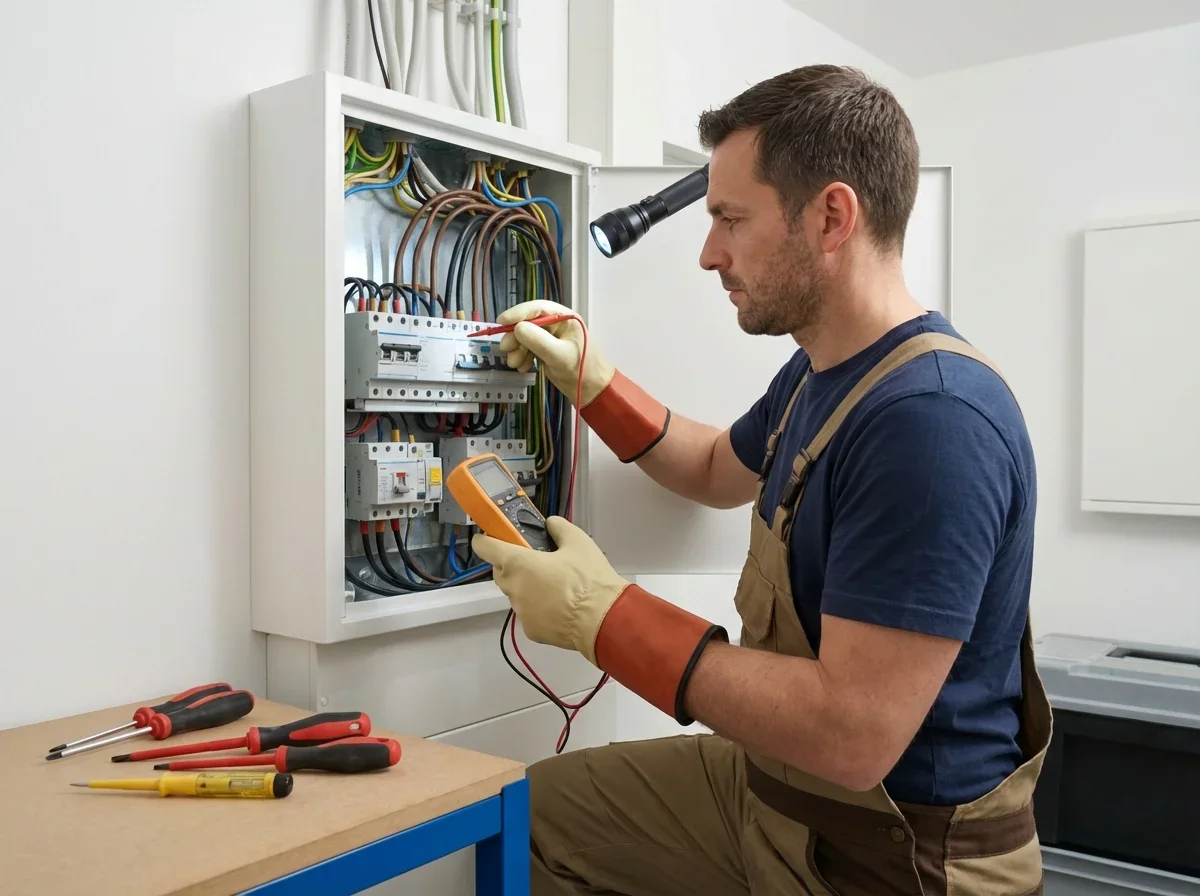
Electrical Code Violations and What Must Be Fixed
Arizona follows the National Electrical Code (NEC) with state amendments, but enforcement happens at the municipal level. Phoenix, Scottsdale, Tempe, and Gilbert each maintain their own inspection departments with slightly different interpretation priorities.
What's consistent: active safety hazards must be corrected. Open electrical boxes, exposed live wiring, overloaded circuits, and panels with missing breakers or incorrect ratings all fail inspections and block home sales until fixed.[1]
Grandfathering protects compliant installations from the time they were performed. If your 1978 home has ungrounded outlets and no GFCI protection, that's legal as long as it met 1978 code and hasn't been altered. You're not required to upgrade unless you remodel or add circuits.
But here's the catch: mortgage lenders and insurance companies don't care about grandfathering. They want modern safety standards or they won't insure the home. Pre-1980 wiring often triggers insurance policy exclusions or higher premiums, forcing upgrades even when code doesn't require them.[6]
Altered systems lose grandfathering. Add a circuit to a grandfathered panel and the entire panel must meet current code—ground fault protection, arc fault protection, proper labeling. This surprises homeowners who hire unlicensed handymen for "simple" work.
That $150 outlet installation just triggered a $3,200 panel upgrade requirement because the handyman added a circuit to a non-compliant 1972 panel and now the city inspector won't sign off.
Insurance requirements drive most mandatory fixes, particularly after electrical inspections for refinancing or policy renewals. Federal Pacific and Zinsco panels void homeowner's insurance in Arizona—insurers consider them uninsurable hazards regardless of grandfathering. Aluminum wiring without proper remediation gets similar treatment.
Expect underwriters to require correction within 30–90 days or face policy cancellation.
Insurance Reality Check: Grandfathered wiring might be legal under building code, but insurance underwriters in Arizona routinely deny or cancel policies for homes with Federal Pacific panels, unmitigated aluminum wiring, or knob-and-tube installations—regardless of code compliance. Always check insurance requirements before closing, not after.
Smoke Detector and CO Detector Installation Requirements
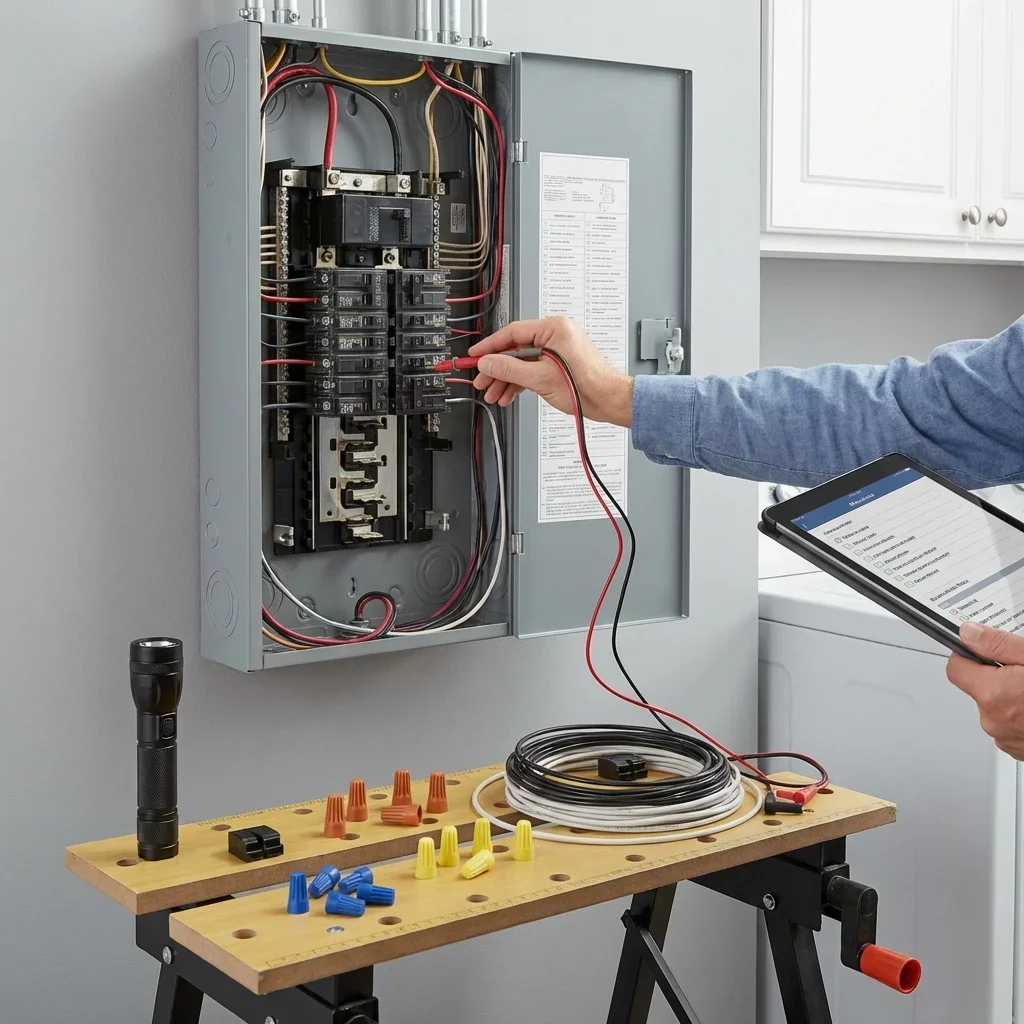
Arizona requires hardwired, interconnected smoke detectors in every bedroom, outside each sleeping area, and on every level of the home including basements (rare here) and habitable attics.[5] Interconnected means if one detector triggers, all of them sound.
Battery-only detectors don't meet code in homes built after 1992 or in any home undergoing major remodeling. Most electrical inspections flag smoke detector deficiencies because they're easy to spot and universally required for home sales.
Carbon monoxide detectors are mandatory in homes with fuel-burning appliances (gas water heaters, furnaces, fireplaces) or attached garages. They must be hardwired with battery backup and installed within 20 feet of sleeping areas. Even all-electric homes need CO detectors if there's an attached garage—vehicle exhaust migrates through shared walls.
Arizona amended code in 2019 to require 10-year sealed-battery CO detectors in new construction, but existing homes can use standard hardwired units with replaceable batteries.
Placement errors fail inspections regularly. Smoke detectors installed in dead air pockets (inside closets, far corners of vaulted ceilings) won't detect smoke quickly enough. Detectors mounted in garages trigger false alarms from dust and exhaust. CO detectors placed near fuel-burning appliances give false readings from normal combustion byproducts.
The electrician checks placement against manufacturer specs and NEC standards, not just whether detectors exist.
Installing compliant smoke and CO detector systems costs $350–$750 depending on home size and whether wiring already exists. Homes with attic access make wiring easier. Slab homes with finished ceilings require surface-mount conduit or fishing wire through walls, adding labor.
Some inspections reveal completely missing interconnection wiring—previous owners installed hardwired detectors but never connected the signal wire, so they don't communicate. Correction runs $400–$600 for an average 2,000-square-foot home.
How to Hire a Licensed Electrician for an Inspection
Start at roc.az.gov and verify the electrician holds an active residential electrical (R) license or dual residential/commercial (K) license. Arizona's Registrar of Contractors database shows license status, bond amount, workers comp exemptions, and complaint history.
An inactive or expired license means the person legally can't perform electrical work, and their inspection report won't satisfy lenders or title companies.
Insurance verification matters because Arizona doesn't mandate workers comp for contractors. Many small electrical companies operate without it, shifting injury liability to you if a worker gets hurt on your property. Ask for proof of general liability ($500,000 minimum) and workers comp if they employ anyone.
The ROC bond—$4,000 to $15,000 depending on license type—won't cover significant claims, so independent insurance is your protection.
Get scope clarity in writing before the electrician arrives. Specify whether you need a basic safety check, a full pre-purchase inspection, or targeted evaluation (just the panel, just aluminum wiring, just GFCI compliance).
An electrician showing up expecting a 45-minute visual panel check when you needed a 3-hour deep inspection wastes everyone's time and leads to scope-creep charges.
Request a sample inspection report if you're hiring for a real estate transaction. Lenders want specific documentation: service size, panel type, grounding method, GFCI/AFCI coverage, smoke/CO detector compliance, and a clear statement of code violations versus grandfathered installations. A one-page handwritten note won't cut it.
Top-tier electricians use standardized report templates with photos, circuit diagrams, and repair priority rankings.
Thermal imaging adds value for older homes or problem properties. Infrared cameras reveal hot spots in panels, overloaded circuits, and failing connections invisible to visual inspection. Not every electrician owns thermal equipment, but those who do charge $50–$100 extra for imaging.
It catches issues that lead to $2,500 panel fires before they ignite, making the upcharge worthwhile for pre-1985 homes with original electrical.
Expect repair estimates immediately after inspection if issues surface. Honest electricians separate inspection findings from sales pitches—they'll note that your Federal Pacific panel should be replaced for safety, give you a ballpark cost ($2,800–$3,500 for a 200-amp upgrade), and let you get competing bids. Pressure to sign a repair contract before you've seen the written report is a red flag.
Arizona's competitive electrical market means you should get 2–3 quotes on any repair over $1,000.
For comprehensive electrical assessments, consider specialists in electrical wiring inspection and certification who focus specifically on code compliance and safety documentation rather than general electrical contracting. Their reports tend to be more detailed because inspection work, not repair work, is their primary business model.
- National Fire Protection Association (NFPA). "National Electrical Code (NEC) Overview." https://www.nfpa.org/codes-and-standards/all-codes-and-standards/list-of-codes-and-standards/detail?code=70. Accessed April 06, 2026.
- U.S. Department of Energy. "Electrical Safety Inspection Guidelines." https://www.energy.gov/ehss/articles/electrical-safety. Accessed April 06, 2026.
- National Institute of Standards and Technology (NIST). "Home Electrical Safety Checklist." https://www.nist.gov/publications/home-electrical-safety-checklist. Accessed April 06, 2026.
- U.S. Department of Housing and Urban Development (HUD). "Electrical Inspections for Residential Properties." https://www.hud.gov/program_offices/housing/sfh/handbook_4000-1. Accessed April 06, 2026.
- U.S. Consumer Product Safety Commission (CPSC). "Smoke and Carbon Monoxide Alarm Requirements." https://www.cpsc.gov/s3fs-public/Protect-Your-Family-from-Carbon-Monoxide.pdf. Accessed April 06, 2026.
- U.S. Department of Energy. "Electrical Code Compliance and Grandfathering." https://www.energy.gov/oe/articles/electrical-safety-home-understanding-your-electrical-system. Accessed April 06, 2026.