Electrical Services Across Glendale's Neighborhoods
Glendale's electrical demands split along geographic and age lines. Central Glendale—roughly the area south of Northern Avenue and east of 75th Avenue—is dominated by single-family homes built in the 1960s through the early 1980s. These neighborhoods feature block or frame construction with copper supply lines, 100-amp or 150-amp service panels, and electrical systems designed for far fewer appliances than today's households run.
North Glendale tells a different story. Arrowhead Ranch and the Westgate area skew newer. Homes built after 2000 come standard with 200-amp panels, structured wiring for data and low-voltage systems, and outdoor electrical infrastructure for pools, patios, and landscape lighting.
| Feature | Central Glendale (Pre-1990) | North Glendale (Post-2000) |
|---|---|---|
| Typical Panel Size | 100-150 amp | 200 amp |
| Common Wiring Issues | Aluminum wiring, undersized circuits | Minimal, code-compliant |
| Primary Upgrade Needs | Panel replacement, dedicated circuits | EV chargers, smart home systems |
| Pool Infrastructure | Retrofits required, compliance updates | Built-in stubouts, modern GFCI |
| Permit Complexity | Higher (service mast, meter base updates) | Lower (existing infrastructure compliant) |
Older Home Electrical Upgrades
If your home was built before 1990 in central Glendale, you're likely working with an electrical system that predates central air conditioning becoming standard, let alone electric vehicle chargers or whole-home smart systems.
The most common upgrade request is a service panel replacement—swapping out a 100-amp or 125-amp panel for a 200-amp version that can handle modern loads without tripping breakers every time you run the dishwasher and microwave simultaneously. Panel upgrades in Glendale's older homes typically require a service mast replacement (the vertical conduit that brings power from the utility line), a new meter base, and coordination with APS or SRP for a temporary disconnect during installation. Expect contractors to pull an electrical permit from the City of Glendale, which triggers at least one inspection after the panel is installed and energized.[3]
Some older homes still have aluminum branch wiring from the 1970s, particularly in circuits feeding major appliances. If you're opening walls for a remodel, this is the time to address aluminum wiring replacement before it becomes a fire hazard.
Another frequent request in central Glendale: adding dedicated circuits for appliances that didn't exist when the home was wired. Garage freezers, tankless water heaters, and window AC units in converted garages all need their own 20-amp or 30-amp circuits. You can't just tap into an existing outlet—modern code requires dedicated lines for high-draw equipment. Glendale inspectors will flag shared circuits during inspections.
New Development Electrical Needs
North Glendale's newer neighborhoods come with modern electrical infrastructure, but they also come with higher expectations. Homeowners in Arrowhead Ranch or near the Loop 101 frequently request EV charger installations, whole-house surge protection, and smart home wiring upgrades that integrate lighting, security, and climate control into centralized systems.
These installations still require permits in Glendale, even if the home is only a few years old.
Pool and spa electrical is another major category in north Glendale. Nearly every single-family home built after 2005 includes pool stubouts or full pool electrical systems, but equipment upgrades—new pumps, heaters, LED lighting conversions—trigger permit requirements. Arizona requires that all pool and spa electrical work include GFCI protection on every circuit, bonding of all metal components within five feet of the water, and a dedicated disconnect within sight of the equipment.
If your pool contractor tells you the electrical "doesn't need a permit," find a different contractor. Glendale enforces compliance, and unpermitted work can void your homeowner's insurance if something goes wrong.
What Does Electrical Work Cost in Glendale?
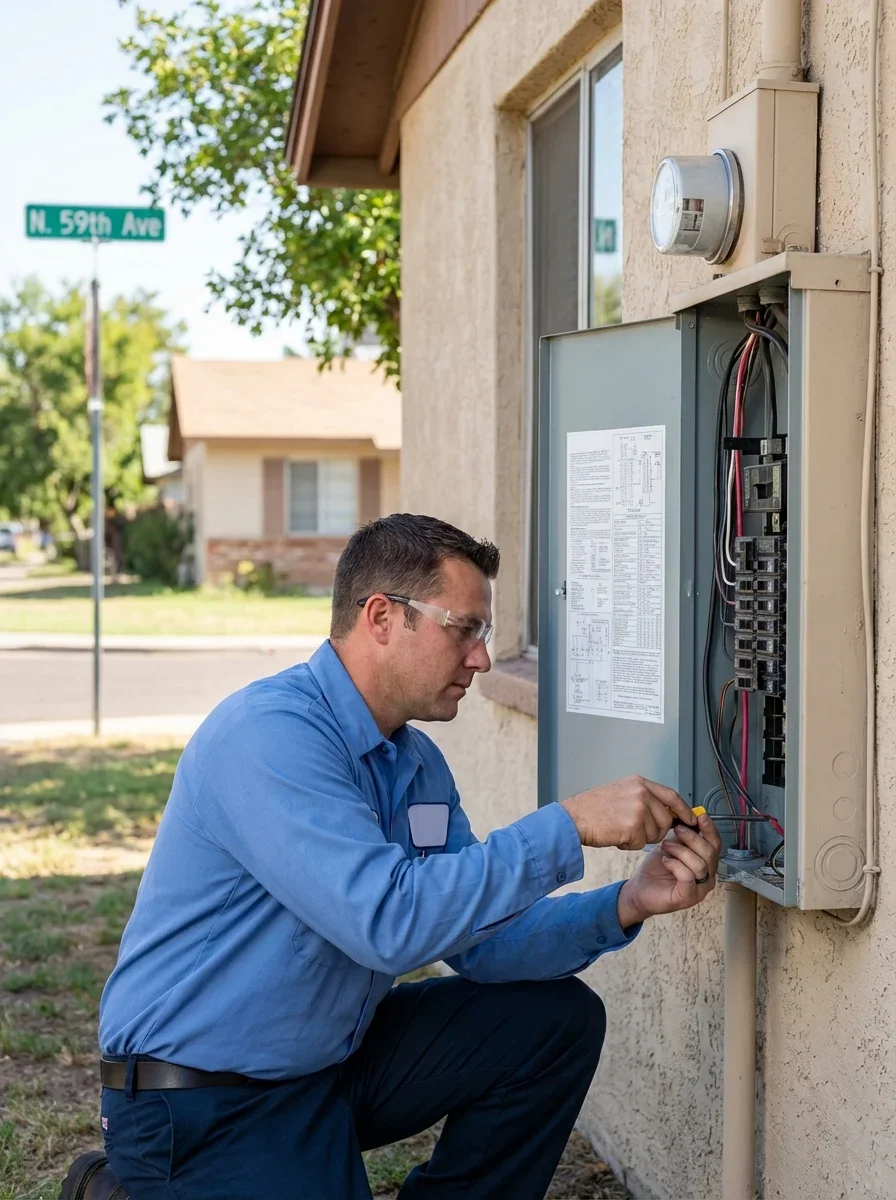
Electrical pricing in Glendale varies by neighborhood, not because contractors charge based on ZIP code, but because the scope of work changes with the age and design of the home.
A service panel upgrade in a 1970s home near 67th Avenue and Bethany Home Road typically runs $2,200 to $3,800, depending on whether the contractor needs to replace the service mast, upgrade the meter base, or trench new grounding electrodes through caliche soil. The same upgrade in a 2015-built home in Arrowhead might only cost $1,800 to $2,500 if the existing mast and grounding are code-compliant and the contractor can reuse them.
Outlet and switch installations average $125 to $200 per device, but that price assumes the electrician can access the wiring without cutting drywall. In Glendale's block homes, running new circuits often means surface-mounted conduit or fishing wire through attic spaces where summer temperatures exceed 140°F. If the job requires drywall removal and patching, add $200 to $400 per opening.
Ceiling fan installation in a room with existing wiring runs $150 to $300 for labor. But if you're adding a fan where there's currently just a light fixture and no fan-rated box, expect $350 to $500 to install proper bracing and a new box through the attic.
EV charger installations in Glendale cost $800 to $1,800 for a Level 2 charger installation, depending on the distance from the panel to the garage and whether the panel has available breaker slots. If your panel is full and you need a sub-panel installation in the garage to support the charger and other garage circuits, add $1,200 to $2,200 to the total.
Pool equipment electrical typically runs $1,500 to $3,000 for a complete system (pump, heater, lighting, control panel). Retrofits on older pools can hit $4,000 if the contractor needs to replace non-compliant bonding, add GFCI breakers, and upgrade undersized circuits.
Glendale Electrical Work Cost Summary:
- Panel upgrade (older homes): $2,200 – $3,800
- Panel upgrade (newer homes): $1,800 – $2,500
- Outlet/switch installation: $125 – $200 per device
- Ceiling fan (existing wiring): $150 – $300
- Ceiling fan (new box/bracing): $350 – $500
- EV charger (Level 2): $800 – $1,800
- Sub-panel addition: $1,200 – $2,200
- Pool electrical system: $1,500 – $3,000
- Pool retrofit (non-compliant): Up to $4,000
Glendale Building Permit Requirements
The City of Glendale requires electrical permits for service changes, panel upgrades, new circuits, pool and spa electrical, and any work involving structural modifications or code compliance upgrades.[3] Permits are submitted through the City's Community Development Department, and inspections are scheduled after the work is roughed in and again after final connections are completed.
The permit fee structure is based on the project value, starting at around $50 for minor additions and scaling up for whole-house rewiring or new construction electrical. Inspections follow the National Electrical Code (NEC) as adopted in Arizona's Residential Code. Common inspection failures in Glendale include missing GFCI protection on outdoor outlets, insufficient bonding on pool equipment, and improper wire sizing for high-draw appliances.
If your electrician doesn't pull a permit, you're liable for code violations. The City can require you to expose the work for inspection even years after completion. Unpermitted electrical work also complicates home sales—title companies and buyers' agents routinely ask for permit records on upgrades, and missing permits can delay or kill a transaction.
For DIY homeowners, Arizona does allow property owners to pull permits and perform electrical work on their own single-family residence, but the work still must pass inspection and meet all code requirements. Most homeowners hire ROC-licensed contractors because the liability and complexity aren't worth the savings, especially in Glendale's older housing stock where hidden issues (aluminum wiring, overfused panels, knob-and-tube remnants) frequently surface during upgrades.
How to Hire a Licensed Glendale Electrician
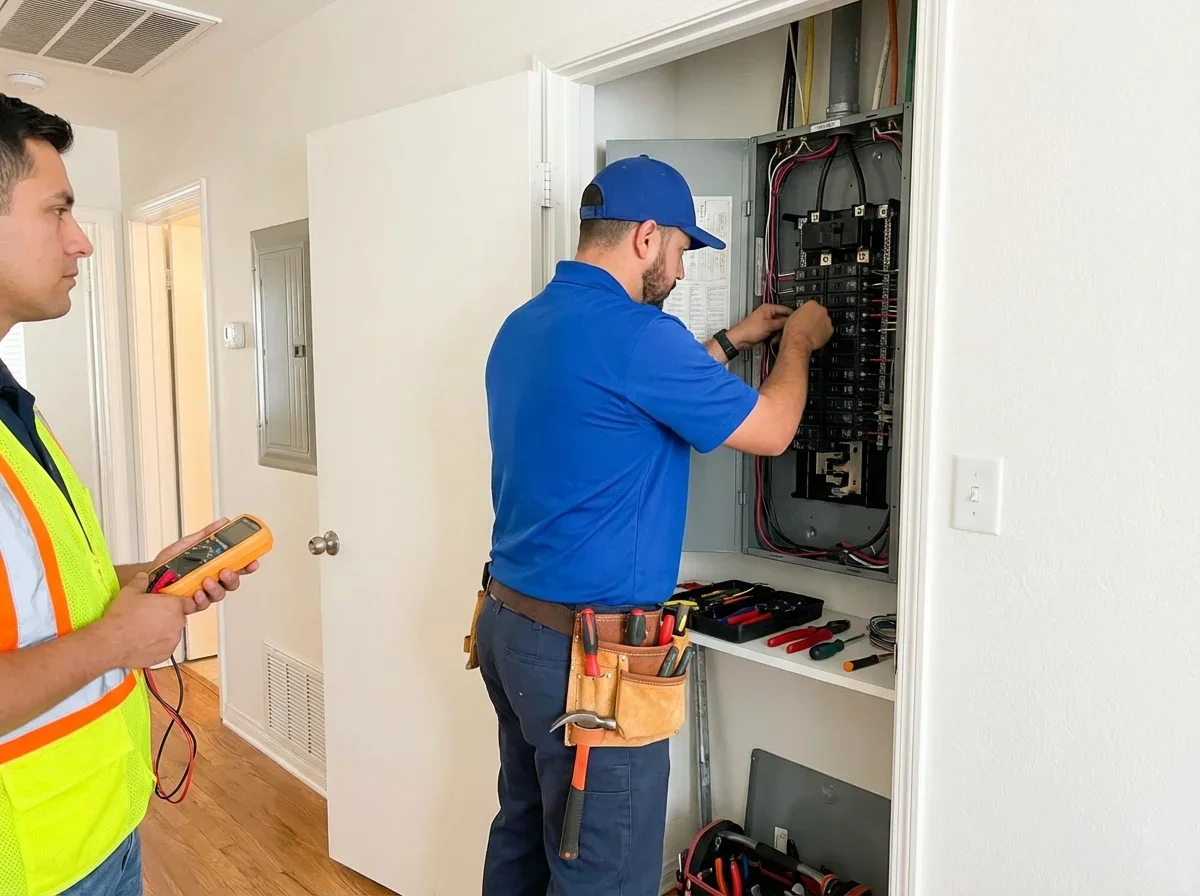
Arizona requires all electrical contractors performing work over $1,000 to hold an active license through the Arizona Registrar of Contractors (ROC).[1] The ROC issues licenses in specific classifications—most residential electricians hold a CR-11 (Residential Electrical) license, which covers panel upgrades, new construction wiring, and pool and outdoor electrical in single-family homes and small multi-family properties.[4]
The qualifying party on the license must demonstrate four years of verifiable electrical experience, supported by employment records, pay stubs, and project documentation.
When you're vetting electricians in Glendale, start with the ROC license number. Legitimate contractors display it on their trucks, business cards, and estimates. Cross-check that number at roc.az.gov to confirm the license is active, verify the classification matches the work you need (don't hire a commercial-only contractor for a residential panel upgrade), and review any complaints or disciplinary actions on file.
The ROC publishes complaint history, license suspensions, and resolved cases. If a contractor has multiple unresolved complaints or a revoked license, move on.
Arizona does not require contractors to carry workers' compensation insurance, which is controversial and leaves homeowners exposed if a worker is injured on your property. Ask for proof of general liability insurance (minimum $500,000 coverage is standard) and confirm the policy is current. The ROC bond—ranging from $4,000 to $15,000 depending on license type—might not cover significant damage or incomplete work, so independent insurance verification is essential.
Arizona ROC License Verification
The ROC's online license search tool at azroc.gov lets you search by contractor name, license number, or city. Enter "Glendale" and you'll see every licensed electrical contractor with a registered business address in the city.[5] The search results include license status, issue and expiration dates, bonding status, and links to complaint records.
If the contractor claims they're licensed but doesn't appear in the search, they're either unlicensed or using someone else's license number. Both are red flags.
Check the "Qualifier" section on the license page. The qualifier is the individual with the electrical experience who holds the license—they're responsible for supervising all work performed under that license. If the person who shows up to bid your job isn't the qualifier and doesn't mention who the supervising qualifier is, ask directly. Unlicensed workers can perform electrical work only under the direct supervision of a licensed qualifier, and that supervision must be documented.
Pro Tip: Arizona's lack of mandatory workers' compensation insurance for contractors is a significant liability gap. Always request proof of general liability insurance with at least $500,000 coverage before allowing any electrical work to begin. The ROC bond alone won't protect you if a worker is injured on your property or if major damage occurs.
Find Qualified Electricians in Glendale
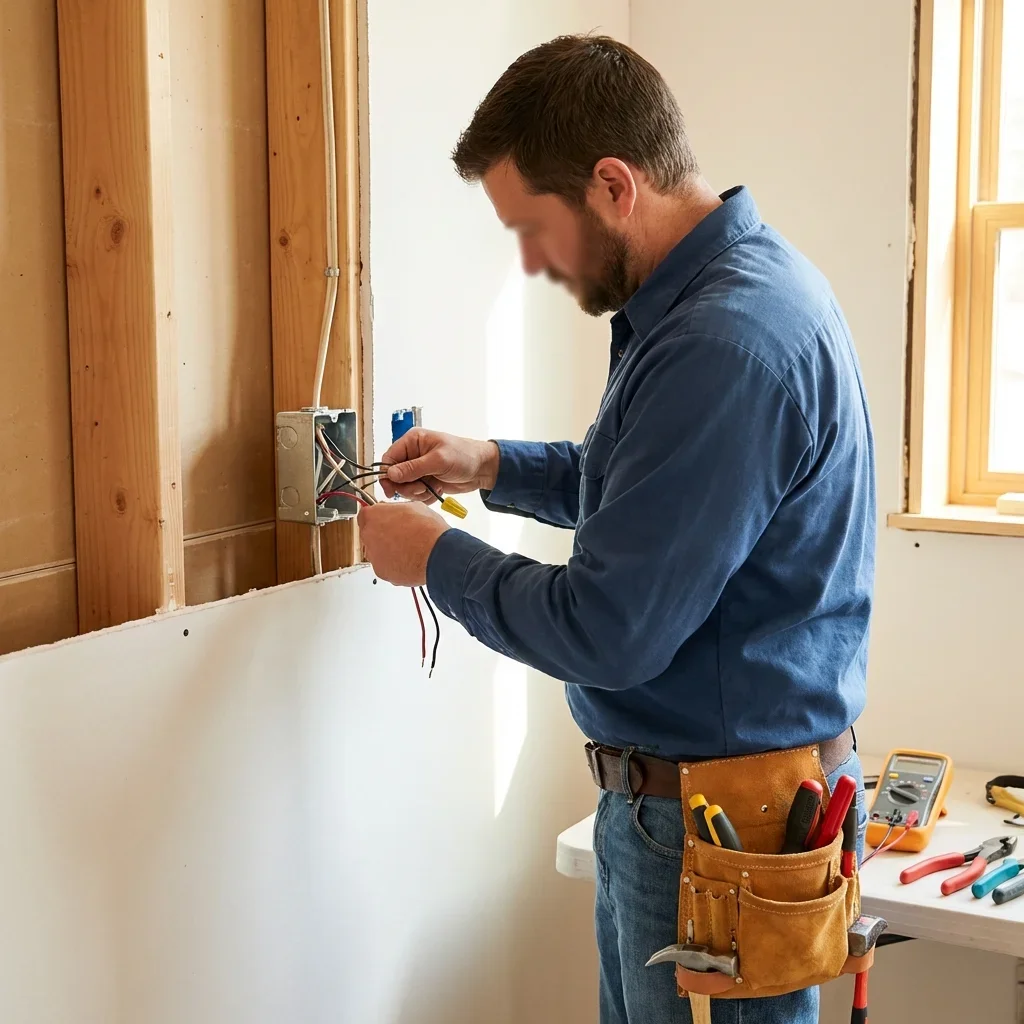
Whether you're upgrading a 1960s panel in central Glendale or wiring a backyard pool in Arrowhead, start by verifying the contractor's ROC license and confirming they pull permits for the work.
Request itemized estimates that break out labor, materials, permit fees, and inspection costs. Vague lump-sum bids make it hard to compare contractors and easier for unlicensed workers to undercut legitimate pricing. Ask about the electrician's experience with Glendale's permitting process and whether they've worked in your specific neighborhood. Contractors who regularly work in older Glendale subdivisions understand the challenges of block construction, limited attic access, and caliche soil conditions that complicate trenching and grounding.
For specialized work like electrical troubleshooting in older homes or whole house rewiring projects, prioritize contractors with documented experience in pre-1980 construction. These projects frequently uncover hidden issues—undersized service conductors, missing grounding, overfused circuits—that require immediate correction to pass inspection.
If your project involves outdoor work like exterior outlet installation or landscape lighting, confirm the contractor understands Arizona's extreme UV exposure and heat stress on insulation and weatherproof enclosures. Materials rated for humid climates fail quickly in Glendale's desert conditions.
- Arizona Registrar of Contractors. "Electrical Contractor License Information." https://roc.az.gov/electrical-contractor-license-information. Accessed April 06, 2026.
- City of Glendale, AZ. "Building Code Information." https://www.glendaleaz.com/government/departments/community-development/building-code-information. Accessed April 06, 2026.
- City of Glendale, AZ. "Electrical Permits." https://www.glendaleaz.com/government/departments/community-development/permits/electrical-permits. Accessed April 06, 2026.
- Arizona Registrar of Contractors. "License Classifications." https://roc.az.gov/license-classifications. Accessed April 06, 2026.
- Arizona Registrar of Contractors. "Verify a License." https://azroc.gov/verify-a-license. Accessed April 06, 2026.