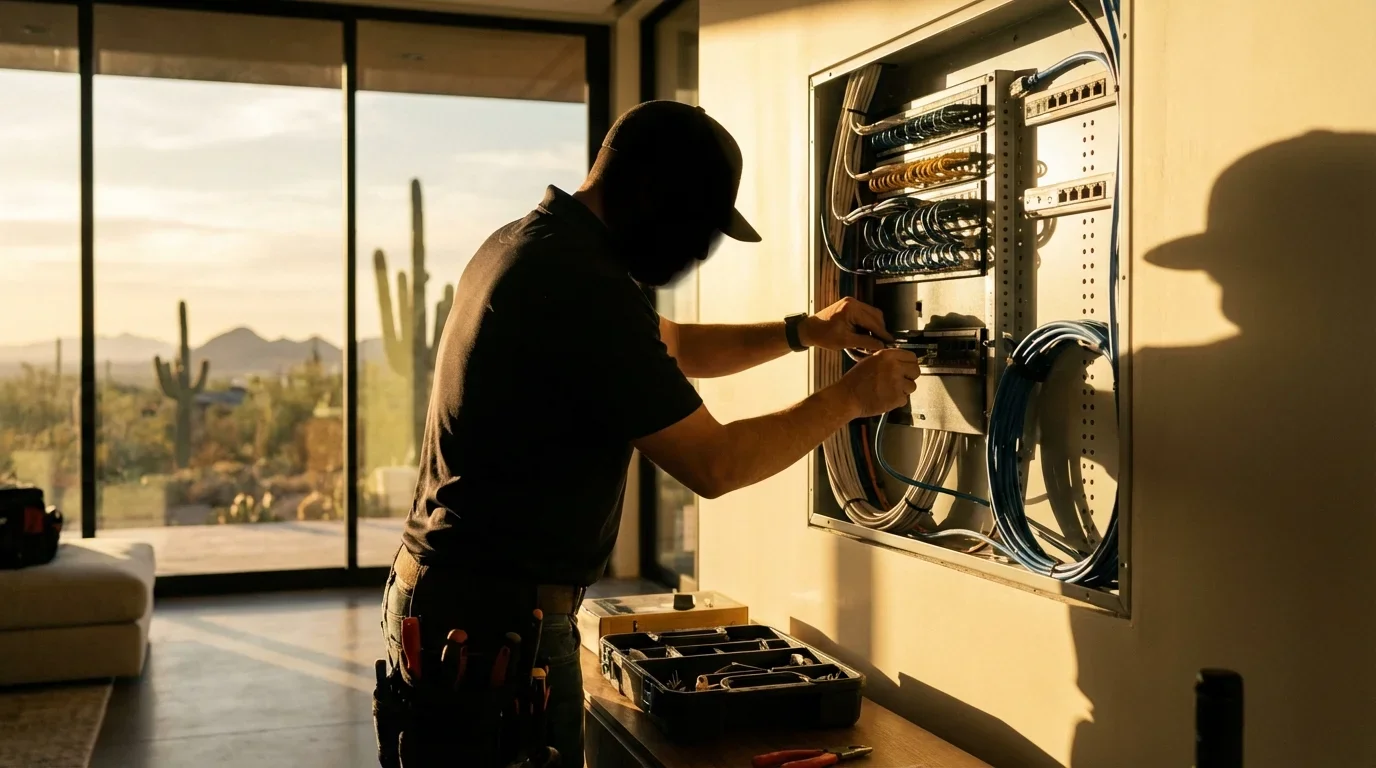
Your Home Should Work Smarter, Not Harder
Ready to control your lights, climate, and security from anywhere? 602 Electric brings intelligent automation to Arizona homes with expert wiring and seamless integration.
- Voice-controlled lighting and climate systems
- Professional installation that actually works together
- Future-proof wiring for tomorrow's technology
⚠ Common Issues
Why Half-Measures Cost More in Arizona Homes
You bought smart switches on Amazon. Maybe they work — when the Wi-Fi cooperates. But half your lights still need manual control because there's no neutral wire in the box. Your "smart home" is a collection of apps that don't talk to each other.
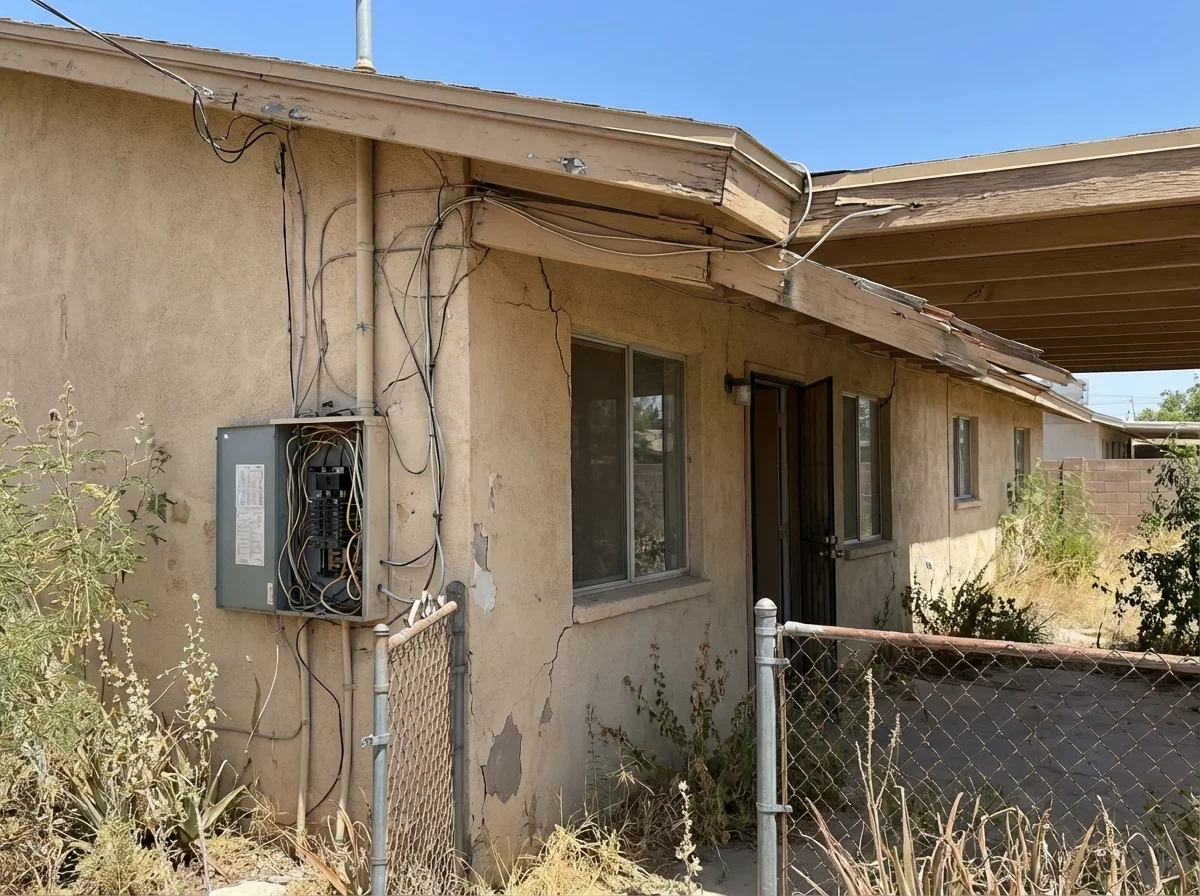
Arizona's concrete block and stucco construction kills wireless signals worse than drywall. That Ring doorbell loses connection when you're standing in the master bedroom. The Nest thermostat can't communicate with the garage zone because there's literally a concrete wall between them.
Sound familiar? You wanted whole-home lighting control. You installed a dozen smart switches. Three don't work because the boxes lack neutral wires. Two randomly disconnect. The app is slow. You still use the wall switches because it's faster.
The real problem: your home wasn't wired for automation. Smart switches need neutral conductors. Centralized systems need structured wiring. Integration requires planning, not piecemeal retrofits. Homes built before 2011 in Phoenix and Scottsdale often lack the neutral wiring required by modern smart devices — and wireless solutions struggle with Arizona's thick wall construction.
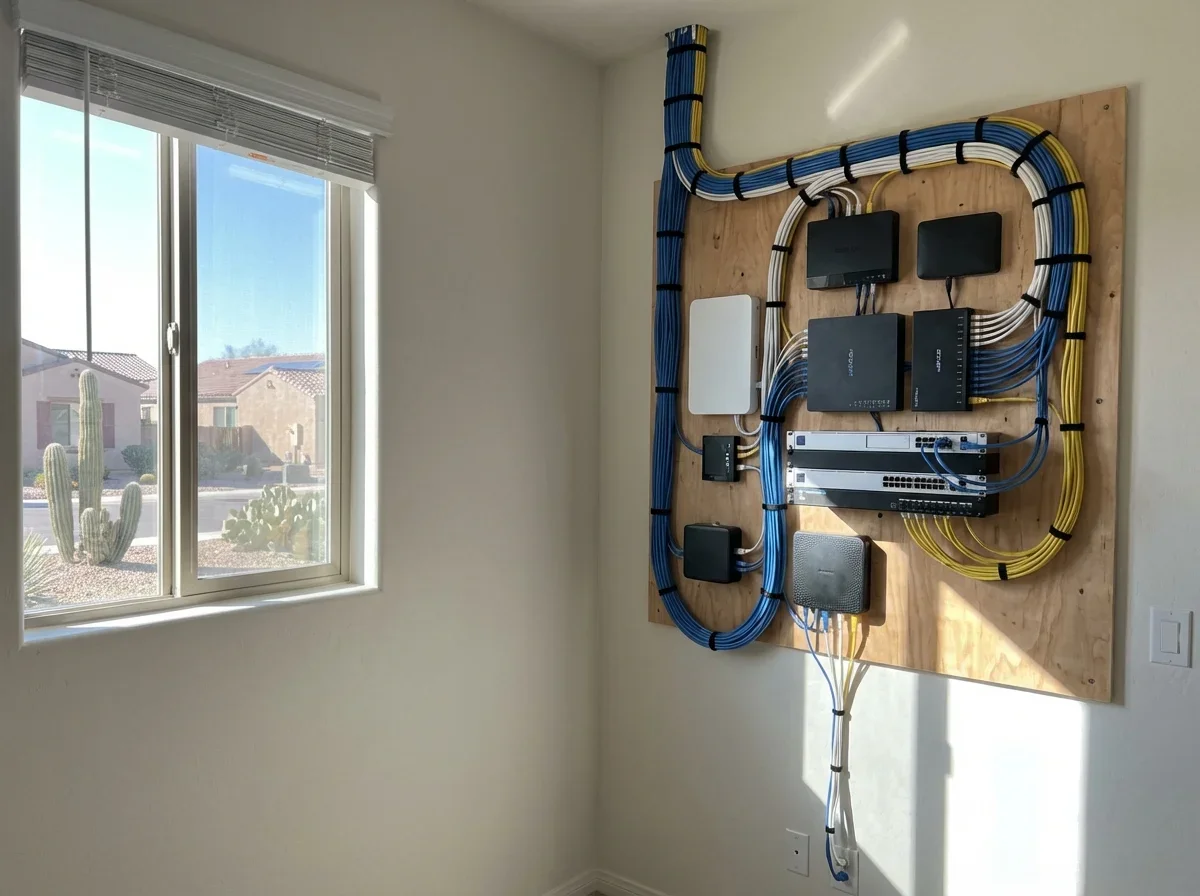
The alternative is comprehensive infrastructure. Cat6 data lines to every room. Centralized control panels. Dedicated circuits for high-draw devices. Proper low-voltage wiring that supports Lutron, Control4, or whatever platform you choose. A licensed electrician who pulls permits and follows NEC Article 725 for Class 2 circuits.[1]
That's not a weekend DIY project. But it's the foundation for automation that actually improves your life — lighting scenes that trigger at sunset, climate zones that adapt to Arizona's temperature swings, security integration that doesn't require four different apps.
Homeowners in Chandler and Gilbert adding automation during remodels often discover their existing electrical infrastructure can't support modern smart devices without significant upgrades. The question isn't whether to wire properly — it's whether to do it now or after the drywall goes up.
$ Cost Guide
Starter Package
$500 – $1,500
- ✓ Smart thermostat install
- ✓ 5–10 smart switches/dimmers
- ✓ Wi-Fi access point wiring
- ✓ Hub setup & programming
Whole Home
$2,000 – $5,000
- ✓ All-room smart switches & dimmers
- ✓ Structured wiring (Cat6 & coax)
- ✓ Smart doorbell & lock wiring
- ✓ Dedicated smart panel circuits
- ✓ Voice assistant integration
Premium / Pre-Wire
$5,000 – $12,000+
- ✓ Full structured wiring closet
- ✓ Motorized shades & AV wiring
- ✓ Security camera conduit
- ✓ Whole-home audio pre-wire
Labor and wiring only. Smart devices purchased separately. New construction pre-wire is 30–50% less than retrofit.
→ What to Expect
The Smart Home Wiring Process
Professional automation installation follows a structured approach — this isn't "mount some switches and call it done."
1. Pre-Installation Consultation and System Design
A qualified electrician or integrator visits your home to assess existing infrastructure and understand your goals. They map out:
- Current electrical panel capacity and available circuits
- Existing wiring (presence of neutrals, conduit accessibility)
- Wireless dead zones caused by Arizona's concrete/stucco construction
- Integration requirements (HVAC, security, AV equipment)
Timeline: 1-2 hours for the consultation, then 3-5 days for detailed system design and material ordering. Good integrators in Scottsdale and Phoenix create wiring diagrams showing every device location and connection type.
2. Infrastructure Installation and Low-Voltage Wiring
For retrofits, electricians fish neutral wires to switch boxes and run Cat6 lines to hub locations. For new construction, they install structured wiring before drywall:
- Pull Cat6/Cat6a data cables to rooms requiring hardwired devices
- Install central distribution panel in utility room or garage
- Add dedicated 20A circuits for smart home hubs and AV equipment
- Run low-voltage wiring for sensors, keypads, and control panels
Timeline: 1-3 days for basic retrofits, 2-4 days for whole-home systems. All line-voltage work requires inspection per Arizona regulations and compliance with the 2023 NEC as adopted by Phoenix and surrounding cities.[1]
3. Device Installation and System Programming
Once infrastructure is in place, devices get installed and configured:
- Mount and wire smart switches, dimmers, and outlets
- Install thermostats with smart HVAC integration (critical for Arizona's climate zones)
- Connect hub equipment and establish network communication
- Program lighting scenes, schedules, and automation rules
- Integrate voice control (Alexa, Google Home, Siri)
Timeline: 1-2 days for device installation, plus 4-8 hours for programming complex whole-home systems. Control4 and Crestron systems require certified programmers — not every electrician offers this service.
4. Testing and Homeowner Training
The final phase ensures everything works and you know how to use it:
- Test all automation scenes and triggers
- Verify wireless connectivity throughout the home
- Train homeowners on app interfaces and voice commands
- Document system configuration for future reference
Timeline: 2-4 hours. Good integrators provide written guides and return for a follow-up session after you've used the system for a week.
Seasonal consideration for Arizona: schedule installations during cooler months (October–April) if extensive attic work is required. Summer attic temperatures exceed 140°F in Glendale and Buckeye — making running wires through attic spaces dangerous and inefficient.
✓ Choosing a Contractor
How to Choose a Smart Home Electrician in Arizona
Not every electrician understands automation systems. You need someone who bridges traditional electrical work and modern low-voltage integration.
Licensing and Certification Requirements
Arizona electrical work requires ROC licensing under Arizona Revised Statutes Title 32, Chapter 10.[2] For smart home installations, verify:
- Licensed electrician (CR-11 or L-11) for line-voltage work (switches, circuits, panel modifications)
- Low-voltage license or certification for data cabling and Class 2 wiring
- Manufacturer certifications for Control4, Lutron, Crestron, or other platforms
- Permit history — professionals pull permits for new circuits and panels in all Arizona jurisdictions
Ask to see their ROC license number and verify it's current at azroc.gov. If they suggest skipping permits for new circuits, walk away — that's a code violation that becomes your liability.
Experience with Specific Platforms
The electrician who does great panel upgrades might not understand Control4 programming. Ask about:
- Platform expertise: Do they specialize in Lutron, Control4, DIY systems like Home Assistant, or multiple platforms?
- Integration capabilities: Can they connect lighting, HVAC, security, and AV into unified control?
- Retrofit experience in Arizona homes: Have they solved wireless issues in concrete block construction?
- Structured wiring installations: Can they design and install Cat6 infrastructure for future expansion?
Request references from Tempe or Mesa clients with similar home construction and automation goals. A good integrator shows you completed projects with comparable scope.
Questions to Ask Before Hiring
- "How do you handle homes without neutral wires in switch boxes?" (Should explain fishing wires vs. alternative solutions)
- "What platforms do you recommend for Arizona's climate?" (Should mention HVAC integration for zoning)
- "Do you pull permits for new circuits?" (Answer must be yes)
- "Can you integrate with my existing security system?" (Should ask what system you have)
- "What does ongoing support look like?" (Should offer training and maintenance plans)
Red flags: Suggesting all-wireless solutions without assessing your home's construction. Reluctance to pull permits. No manufacturer certifications for the platforms they install. Inability to explain the difference between line-voltage and low-voltage work.
The right electrician treats smart home wiring as infrastructure, not gadget installation. They design systems that support your current needs and adapt as technology evolves — because the switches you install today should still work in ten years, even if you change platforms.
Many homeowners in Gilbert and Chandler compare several licensed electricians before committing to whole-home automation projects. The extra diligence pays off when the system works flawlessly and passes inspection on the first attempt. Smart home infrastructure is too important to trust to the lowest bidder — find someone who understands both electrical code and modern automation technology.
If you're also upgrading your electrical panel to support smart home equipment, explore sub panel installation options. For homes requiring data infrastructure, see data & low voltage cabling services.
Top Contractors for Smart Home Wiring
View all →



Frequently Asked Questions
- City of Phoenix. "Amendment to 2023 National Electrical Code (NEC) - City of Phoenix." https://www.phoenix.gov/content/dam/phoenix/pddsite/documents/codes-ordinances/amendmentcodes/2023-nec.pdf. Accessed April 06, 2026.
- Arizona Registrar of Contractors (azroc.gov). "Arizona Electrical Systems: Frequently Asked Questions." https://arizonaelectricalauthority.com/arizona-electrical-systems-frequently-asked-questions. Accessed April 06, 2026.
Estimate Your Smart Home Wiring Cost
Get an instant price range based on your home and project details.