Two Types of Electrical Inspections in Phoenix
The City of Phoenix Planning and Development Department conducts inspections at two distinct phases: pre-drywall (rough-in) and final.[2] If you're scheduling an inspection as a buyer or homeowner, you're dealing with something different. A private home electrical inspection evaluates the entire existing system, not just new construction compliance.
New construction inspections are mandatory. Before drywall goes up, a city inspector checks rough electrical systems: wire routing, box placement, panel installations. The final inspection happens after drywall and trim, verifying outlets, lights, smoke detectors, and that the system is safe to energize.[2]
Pre-purchase or safety inspections are optional but critical. These cover homes of any age and focus on safety hazards, code violations, and system capacity. Arizona's Standards of Professional Practice require home inspectors to observe service amperage, voltage, conductor materials (overhead vs. underground), panel locations, and report aluminum branch circuit wiring wherever it exists.[4]
| Inspection Type | When Required | Who Conducts | Cost |
|---|---|---|---|
| Pre-Drywall (Rough-In) | New construction/major renovations | City of Phoenix inspector | Included in permit fees |
| Final Construction | After drywall/before occupancy | City of Phoenix inspector | Included in permit fees |
| Pre-Purchase Home | Optional, before buying | Private ROC-licensed electrician | $300–$500 |
| Safety/Maintenance | Recommended every 3–5 years | Private ROC-licensed electrician | $300–$500 |
What the Electrician Inspects First: The Service Panel
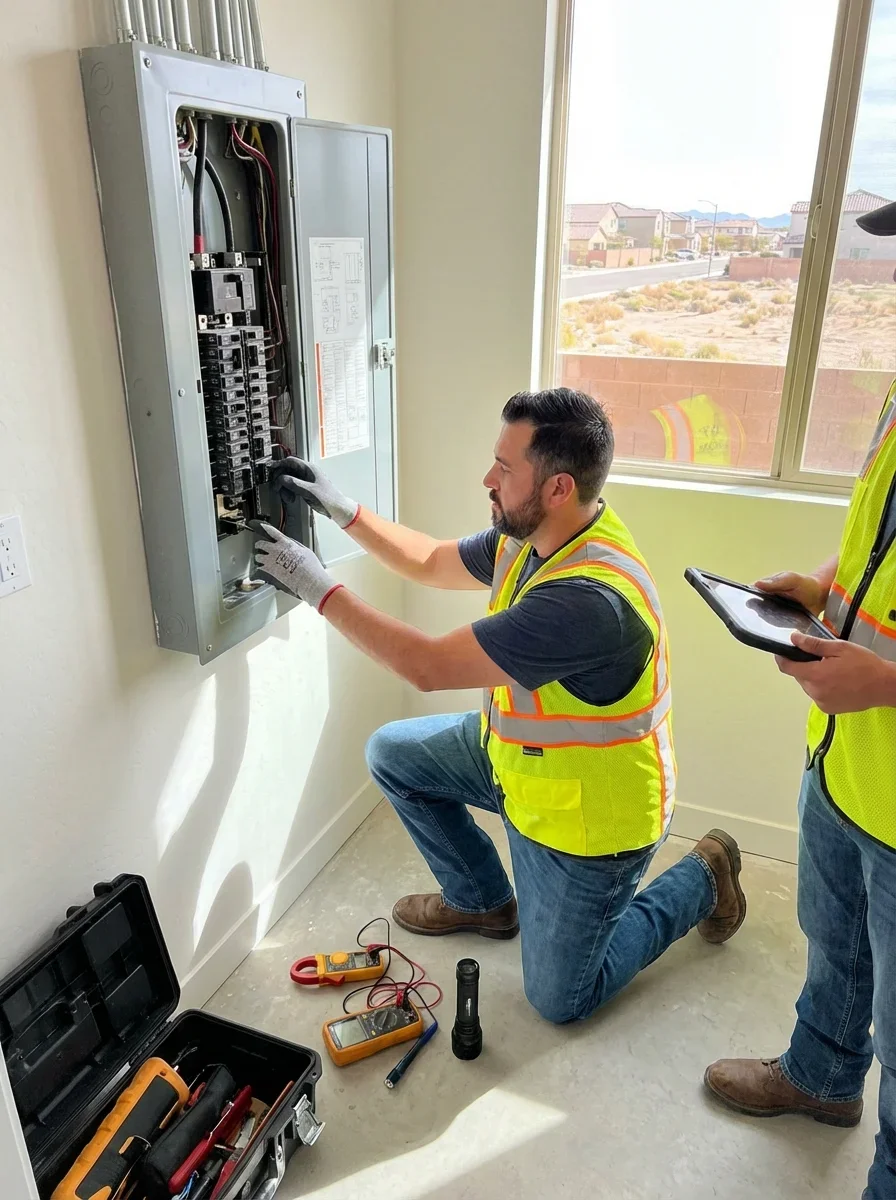
Inspections start at the electrical panel, your home's distribution point. The inspector documents service amperage (100A, 150A, 200A), checks for proper grounding, examines breaker conditions, and looks for double-tapped breakers. That's two wires under one terminal, a common code violation.
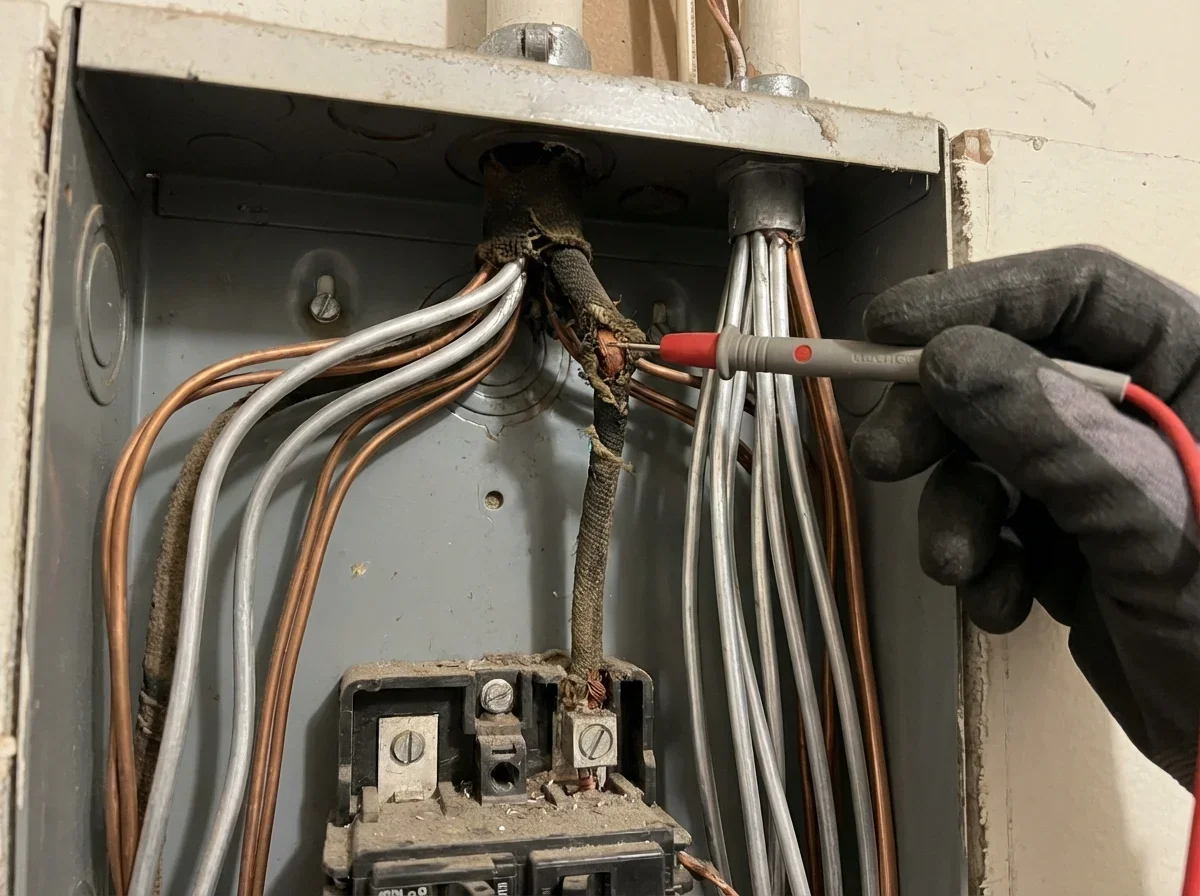
Phoenix panels built before 2000 often reveal aluminum branch circuit wiring, which expands and contracts at different rates than copper, creating loose connections and fire risk over time.[4]
If your home has aluminum wiring, expect the inspector to flag it. Modern remediation involves pigtailing copper connectors or full replacement, depending on the extent. Top-rated ROC-licensed contractors in Phoenix typically charge $1,500–$4,500 for aluminum wiring replacement, depending on home size and accessibility.
Panel Clearance Requirements
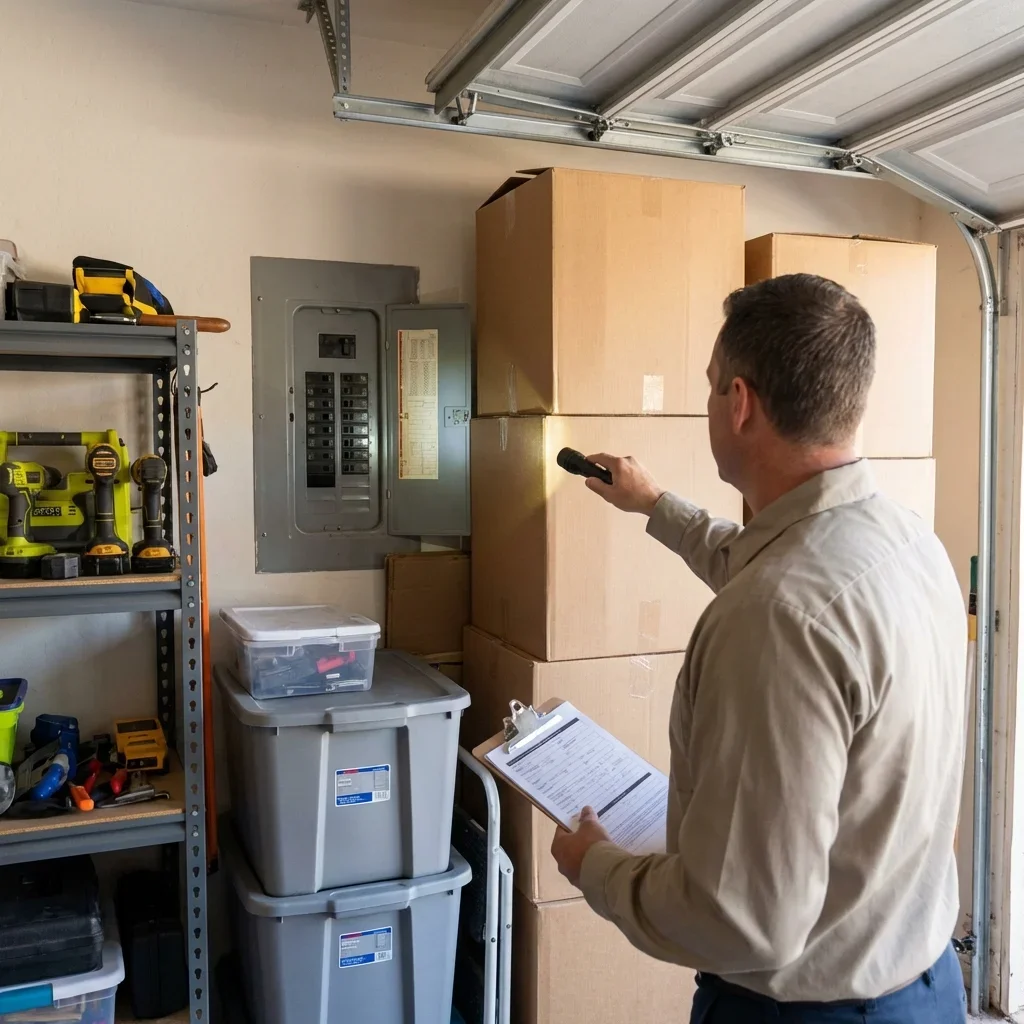
The NEC mandates 3 feet of clear space in front of electrical panels.[1] Homeowners often block panels with storage, dog crates, or shelving. Common enough that inspectors encounter it on most residential walkthroughs.
If your panel is obstructed, clear it before the inspection. Inspectors won't move your belongings, and limited access means limited findings, which benefits no one when safety is the goal.
Phoenix's intense summer heat adds stress to panels in garages or exterior installations. UV exposure degrades wire insulation faster than in temperate climates, and thermal cycling in 106°F heat accelerates component fatigue. Inspectors look for signs of overheating: discolored breakers, burnt wire insulation, or scorching around terminals.
Outlet and GFCI Testing Throughout the Home
Arizona Standards of Professional Practice require inspectors to test all ground fault circuit interrupters (GFCIs) using a tester, not by inserting tools into panel interiors.[4] GFCIs are mandatory in kitchens, bathrooms, garages, and outdoor areas. Anywhere water and electricity might meet.
The inspector plugs a GFCI tester into every protected outlet, presses the test button, and verifies the circuit trips. Non-functional GFCIs show up in homes across Phoenix, often because the receptacle itself has aged out or wasn't wired correctly during a DIY kitchen remodel.
Replacing a failed GFCI is straightforward work, but it signals a larger question: what else was installed without a permit?
Outlet Spacing and Code Compliance
The NEC requires outlets on walls greater than 3 feet in habitable rooms over 60 square feet.[1] This prevents extension cord dependence and reduces fire risk. Older Phoenix homes, especially block construction built before 1980, often fall short of current outlet density standards. Inspectors note these gaps, but they're not always deal-breakers unless the buyer requests upgrades.
Open grounds are another frequent finding in pre-1980 homes. Two-prong outlets indicate ungrounded circuits, and three-prong outlets on ungrounded circuits (a dangerous retrofit) create shock hazards. Inspectors test for grounding continuity on every outlet.
If your home lacks proper grounding, budget $1,200–$3,500 for a licensed electrician to install dedicated circuits with proper grounding paths.
Lighting Outlets and Smoke Detector Wiring
Phoenix code mandates lighting outlets in bathrooms and kitchens, plus interconnected smoke detectors with battery backup powered by building wiring.[1] Interconnected means if one detector senses smoke, all detectors sound. It's a life-safety feature that older homes often lack.
Homes built before 2000 typically have standalone battery-powered smoke detectors. During inspections, electricians verify detector placement (one per floor, inside bedrooms, hallways outside sleeping areas) and test functionality.
Upgrading to interconnected hardwired detectors involves running new wiring through walls and attics. Not a quick job in Phoenix's scorching summer months when attics hit 150°F. Expect $400–$900 per detector installation if you're retrofitting a three-bedroom home.
Bathroom and Kitchen-Specific Checks
Kitchens require GFCI protection on countertop outlets and dedicated 20-amp circuits for appliances. Inspectors verify that refrigerator, microwave, and disposal circuits aren't overloaded. If you're planning a kitchen remodel, the inspection report becomes a roadmap for necessary upgrades before you start tearing out cabinets.
Bathrooms need GFCI outlets near sinks and proper ventilation fan wiring. In Phoenix, exhaust fans combat humidity from showers, but many older homes skip them entirely or wire them to light switches instead of dedicated controls.
Inspectors flag missing or improperly wired fans, especially in homes where moisture has already caused mold or paint damage.
Phoenix Climate Warning: Attic temperatures routinely exceed 150°F during summer months. This extreme heat accelerates wire insulation degradation and component fatigue faster than in temperate climates. UV exposure on exterior panels compounds this effect. Always verify that your inspector checks for heat-related damage, especially around garage panels and outdoor installations.
Wire Protection Through Framing and Attics
Arizona's desert climate means most homes are slab-on-grade construction. No basements, all plumbing and electrical runs through walls, attics, or under the slab. Inspectors check that wiring passing through wood framing is protected from puncture by nails or screws.[1]
This matters more in Phoenix because caliche soil (calcium carbonate hardpan at 1–6 feet depth) makes digging trenches for repairs expensive. If a contractor needs to access wiring under the slab, excavation through caliche runs 2–3x normal labor costs.
Inspectors document any exposed or improperly protected wiring in attics and walls to prevent future damage during renovations.
Aluminum Wiring and Knob-and-Tube Systems
If your Phoenix home was built between 1965 and 1975, there's a strong chance it has aluminum branch circuit wiring. Aluminum was cheaper than copper during that era, but it's now recognized as a fire hazard. Inspectors must report its presence.[4]
Remediation options include COPALUM crimps (expensive but permanent, $3,500–$8,000 for a typical home) or AlumiConn pigtails (more affordable at $1,500–$4,000, effective when installed correctly). Some buyers walk away from aluminum-wired homes. Others negotiate a credit and hire an ROC C-11 licensed contractor to upgrade the system.
Verify any contractor's credentials at roc.az.gov before signing contracts.
Knob-and-tube wiring is rare in Phoenix but occasionally surfaces in pre-1950 homes. It's ungrounded, often deteriorated, and incompatible with modern loads. If an inspector finds knob-and-tube, budget $8,000–$15,000 for whole house rewiring.
How Long Does an Electrical Inspection Take?
Plan on 60–90 minutes for a thorough inspection of a typical single-family home. Larger homes (3,000+ square feet) or properties with extensive electrical systems (pools, spas, detached garages, EV chargers) take longer. Inspections for new construction proceed faster because the electrician follows a defined checklist against recent work.
Some ROC-licensed inspection companies in Phoenix deliver same-day reports, often with embedded photos and video clips showing problem areas. This speed helps buyers make decisions before purchase contingencies expire.
Expect to pay $300–$500 for a standard home electrical inspection, with add-ons like thermal imaging or dedicated pool equipment inspections running an additional $100–$300.
Typical Inspection Timeline & What Gets Checked:
- 0–15 minutes: Service panel evaluation (amperage, grounding, breaker conditions, aluminum wiring)
- 15–40 minutes: Outlet and GFCI testing throughout all rooms
- 40–60 minutes: Lighting, smoke detectors, bathroom/kitchen-specific requirements
- 60–75 minutes: Attic/garage wire protection, clearance verification, special systems
- 75–90 minutes: Documentation, photos, and final notes for report
- Report delivery: Same day to 48 hours (varies by company)
What Happens After the Inspection?
The inspector delivers a written report detailing findings, prioritized by safety risk. Immediate hazards (exposed live wires, overheated panels, missing GFCIs near water) should be addressed before closing or occupancy. Code violations that don't pose imminent danger (insufficient outlet spacing, missing smoke detector interconnections) become negotiation points or repair items.
Phoenix buyers often request sellers to remedy electrical issues pre-closing or provide repair credits. Sellers benefit from proactive inspections before listing.
Finding problems early lets you choose your contractor instead of accepting the buyer's contractor's bid, which is almost always higher.
Permitting and Code Compliance
Arizona requires permits for most electrical work beyond simple device replacement. Unpermitted electrical upgrades surface during inspections and complicate home sales. The City of Phoenix Inspections Division employs over 100 inspectors to verify construction meets City Code standards, ensuring buildings are safe to occupy.[3]
If your inspection uncovers unpermitted work (a sub panel installation, garage rewire, or pool electrical), you'll need to retroactively permit it or disclose it to buyers. Retroactive permitting involves an inspector verifying that the work meets current code, which may require opening walls or upgrading components.
This is expensive and delays closing. Avoid unpermitted work by hiring ROC-licensed contractors who pull permits as part of their service.
Common Findings in Phoenix Homes by Era
Pre-1980 Block Construction
Expect aluminum wiring, ungrounded outlets, insufficient outlet density, and flat roof electrical penetrations that leak during monsoons. Copper supply lines and hard water (300+ ppm calcium carbonate) accelerate corrosion inside walls, sometimes damaging adjacent electrical boxes.
Inspectors check for moisture intrusion around panel locations, especially in exterior garage installations.
1980–2000 Frame and Stucco
These homes often have copper wiring and grounded outlets, but may lack GFCI protection in all required locations. Inspectors find outdated panels (Federal Pacific, Zinsco) that should be replaced due to known failure rates.
Electrical capacity in 100-amp panels often can't support modern loads. Central AC, pool pumps, EV chargers, and multiple kitchen appliances strain these systems. Panel upgrades to 200-amp service run $2,000–$4,500 in Phoenix.
Post-2000 Homes
Newer construction follows stricter codes, but inspections still catch mistakes. Double-tapped breakers, loose wire connections, missing panel schedules (the label identifying each breaker), and improperly installed AFCI (arc fault circuit interrupter) breakers are common.
First-time buyers appreciate inspectors who provide extra guidance through findings, explaining what's urgent versus what's cosmetic.
Pool and Spa Electrical Inspections
Phoenix's high pool ownership means many inspections include pool and spa electrical systems. Inspectors verify bonding (connecting all metal components to prevent shock), GFCI protection on pool pumps and lights, and proper grounding of equipment.
Desert UV exposure degrades pool equipment faster than in temperate climates. Pump housings crack, timer mechanisms fail, and wire insulation becomes brittle.
A dedicated pool electrical inspection costs $150–$300 and identifies problems before a pump failure floods your equipment pad or a bonding fault creates a shock hazard.
Energy Code Compliance Certificates
The City of Phoenix requires an Energy Code Compliance Certificate posted inside the electrical panel for new construction and major renovations.[1] This certifies that the home meets efficiency standards for insulation, HVAC, and lighting. If you're buying new construction and the certificate is missing, the builder must provide it before final inspection approval.
Missing certificates indicate incomplete permitting or inspection processes. Red flags that warrant further investigation before closing.
Clearance Issues and Access Problems
Obstructed panel access is the most common non-electrical finding during inspections. Homeowners stack storage, install shelving, or place furniture within the required 3-foot clearance zone. This isn't just a code issue, it's a safety problem.
If your panel trips or catches fire, you need immediate access. Inspectors document obstructions but can't clear them, so any follow-up visit incurs additional charges.
Outdoor panels face sun exposure and weather intrusion. Inspectors check panel covers for warping, rust, or gaps that let scorpions, spiders, or moisture inside. In Phoenix's climate, pests entering through electrical penetrations are a genuine concern. Homeowners request sealing services alongside electrical troubleshooting to keep infestations out.
When to Schedule an Electrical Inspection
Before buying: Essential for any resale home. Protects your investment and uncovers repair costs you can negotiate pre-closing.
Before selling: Identifies problems you can fix on your terms, avoiding buyer objections or credit requests later.
After major storms: Monsoons (July–September) bring lightning strikes that damage panels, surge through wiring, and fry appliances. Post-storm inspections catch hidden damage before it escalates. If lightning struck nearby, consider a surge protection system upgrade alongside the inspection.
Routine safety checks: Even if your lights work fine, systems can hide issues. Loose connections heat up slowly, insulation degrades silently, and panels age out without obvious symptoms.
Electricians recommend inspections every 3–5 years for homes over 25 years old, or whenever you're planning electrical upgrades.
What You Should Do Before the Inspector Arrives
Clear 3 feet of space in front of all electrical panels. Remove storage, move appliances, and ensure the inspector can open panel covers without obstruction.
Test your smoke detectors and note any non-functional units. If you've replaced outlets or switches recently, have documentation or know who did the work. Inspectors ask about recent modifications to assess if permits were pulled.
Compile a list of electrical quirks: flickering lights, warm outlets, breakers that trip frequently, outlets that don't work. The inspector can investigate these during the visit, potentially identifying problems beyond the standard checklist.
If you're experiencing partial power outages or notice a hot electrical panel, mention it immediately. These are urgent safety concerns.
Cost Expectations and What's Included
Standard home electrical inspections in Phoenix cost $300–$500 for homes under 2,500 square feet. Larger homes, those with detached structures, or properties requiring specialized testing (thermal imaging, pool electrical, commercial spaces) add $100–$300 per item.
The inspection includes a written report with photos documenting findings, prioritized by severity. Expect sections on service panels, outlets, lighting, GFCI function, smoke detectors, grounding, and code violations.
Some inspectors offer video walkthroughs explaining findings in plain language. Valuable if you're a first-time buyer unfamiliar with electrical terminology.
What's not included: Inspectors observe and report but don't open walls, remove fixtures, or disassemble equipment. They won't pull permits, make repairs, or guarantee that latent defects don't exist behind inaccessible areas. Inspections are visual assessments of accessible components, not destructive investigations or warranties.
Hiring the Right Inspector or Electrician
Arizona law requires all contractors performing work over $1,000 to hold an active ROC license. For electrical work, that's an ROC C-11 (residential) or ROC A-11 (commercial) license. Verify credentials at roc.az.gov before hiring anyone.
Home inspectors in Arizona follow Standards of Professional Practice that define what they must inspect and report.[4] Look for inspectors who carry errors and omissions (E&O) insurance, which protects you if they miss a significant defect.
Note that Arizona doesn't require contractors to carry workers' compensation insurance (controversial but legal). Verify insurance coverage independently. The ROC bond ($4,000–$15,000 depending on license type) won't cover large claims if something goes wrong.
Ask how long the inspector has worked in Phoenix. Local experience matters. An inspector familiar with caliche soil, monsoon damage patterns, and Valley-specific construction methods spots problems that generic checklists miss.
If they reference the NEC 2024 and City of Phoenix code amendments without prompting, you're talking to someone who knows the standards.
What Happens If Problems Are Found?
Minor issues (missing GFCI protection, loose outlet covers, insufficient panel labeling) cost $200–$800 to remedy and shouldn't derail a home sale. Moderate problems like outdated panels, aluminum wiring, or insufficient service capacity run $1,500–$5,000 depending on scope.
Major defects justify walking away or demanding significant price reductions. Knob-and-tube wiring, widespread code violations, fire damage, or unsafe amateur work fall into this category.
Buyers typically request repairs or credits equal to contractor estimates. Sellers can hire their own ROC-licensed electrician to fix problems before renegotiation, often at lower cost than buyer-selected contractors charge. Either way, you'll need permits for work beyond simple replacements, and final inspections to verify code compliance before the city signs off.
If you're overwhelmed by the inspection report, consult an ROC C-11 licensed electrician for a second opinion. They'll assess findings, prioritize safety risks, estimate repair costs, and outline options.
Some issues (like insufficient outlet spacing in a pre-1980 home) are code violations but not safety emergencies. Others (like overheated panels or exposed wiring) require immediate attention before occupancy.
- City of Phoenix. "Residential Inspection – Checklist." https://www.phoenix.gov/pddsite/Documents/TRT/dsd_trt_pdf_00081.pdf. Accessed April 07, 2026.
- City of Phoenix. "Residential Inspections." https://www.phoenix.gov/administration/departments/pdd/residential-building/residential-inspections.html. Accessed April 07, 2026.
- City of Phoenix. "Inspections." https://www.phoenix.gov/administration/departments/pdd/tools-resources/inspections.html. Accessed April 07, 2026.
- Arizona Board of Technical Registration (via state standards). "Standards of Professional Practice For Arizona Home Inspectors." https://dwellinspectaz.com/arizona-standards-of-practice-for-home-inspectors. Accessed April 07, 2026.